Pompano: The Bold Display Font for Memorable Design
In the world of visual communication, typography is rarely just about readability; it is about setting a tone, evoking an emotion, and creating a lasting impression. When designers need a typeface that commands attention while offering a unique tactile quality, Pompano emerges as a compelling choice. This cool, rough-textured, and brushed display font brings a sense of artisanal craftsmanship to digital screens and printed materials alike. Whether you are designing a high-end food menu, a rugged poster, or a creative flyer, Pompano provides a distinct character that standard sans-serifs often lack.
This article explores the essence of Pompano, examining its aesthetic properties, practical applications, and the specific value it brings to various design projects. By understanding how this font functions in real-world scenarios, creators can make informed decisions about when and how to use it effectively.
Understanding the Aesthetic of Pompano
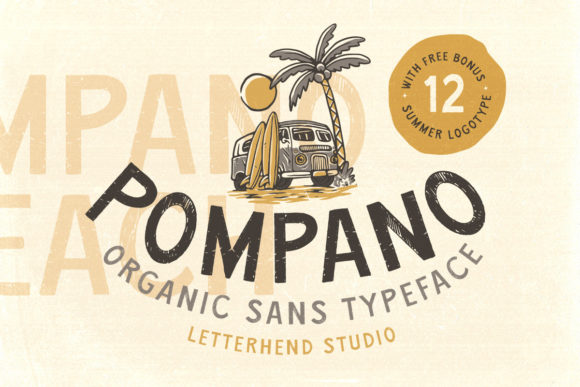
To truly appreciate Pompano, one must look beyond simple letterforms and consider the texture it imparts. Unlike clean, geometric fonts that prioritize neutrality, Pompano is defined by its rough texture. This characteristic mimics the look of hand-painted brushstrokes or weathered signage, giving the text a physical presence even on a flat screen. The "cool" nature of the font refers to its modern edge combined with a vintage soul, creating a balance that feels both contemporary and timeless.
The brushed quality of the letters is not merely decorative; it adds depth and movement to the design. In a landscape where many designs feel sterile or overly polished, Pompano introduces an element of organic imperfection. This makes it particularly effective for brands or projects that want to convey authenticity, creativity, or a hands-on approach. It suggests that there was human effort behind the message, which can build a stronger emotional connection with the audience.
Key Characteristics and Features
- Rough Texture: The edges of the characters are intentionally uneven, simulating a natural brush application rather than a computer-perfect vector line.
- Display Weight: Designed primarily for headlines and large text, Pompano holds up well at massive sizes without losing its structural integrity.
- Versatile Personality: While it has a strong personality, it remains legible enough to be used across various industries, from culinary arts to event promotion.
- Cool Tone: The overall vibe is sophisticated yet accessible, avoiding the harshness of some grunge fonts while retaining their edgy appeal.
Where Pompano Shines: Practical Applications
The true test of any font lies in its application. Where does Pompano fit into the daily workflow of a designer or business owner? Its versatility allows it to transcend traditional boundaries, making it suitable for a wide array of mediums. Below are several scenarios where this font excels.
Food Menus and Culinary Branding
One of the most striking uses for Pompano is in the restaurant industry. Food menus require more than just a list of dishes; they need to stimulate the appetite and set the dining atmosphere. A smooth, corporate font might fail to capture the essence of a farm-to-table bistro or a rustic steakhouse. Pompano, with its rough and brushed appearance, complements themes of handmade quality and fresh ingredients.
Imagine a menu cover featuring the word Artisan or Gourmet in Pompano. The texture suggests that the food inside was prepared with care and passion. It works exceptionally well for:
- Headlines: Catchy titles like "Summer Specials" or "Chef's Selection."
- Dish Names: Highlighting signature items to draw the eye.
- Logo Integration: Creating a memorable brand mark for cafes or bakeries.
Posters, Flyers, and Event Promotion
When promoting an event, whether it is a music festival, a local market, or a community gathering, the goal is to stop people in their tracks. Posters need to communicate energy and excitement. Pompano's bold, textured strokes act as visual anchors that demand attention. The rough texture adds a layer of grit that is perfect for rock concerts, street art exhibitions, or urban fashion launches.
Flyers designed with Pompano benefit from the font's ability to create contrast. When paired with a clean, minimalist background, the font pops out, ensuring the key information is read immediately. It transforms a standard announcement into a piece of art that people want to keep or photograph.
Print Materials and Packaging
Beyond menus and flyers, Pompano is excellent for print collateral. Product packaging for craft beers, organic skincare, or specialty coffee often relies on typography to tell a story. The brushed look of Pompano aligns perfectly with products that emphasize natural origins or limited-batch production. It signals to the consumer that this is not a mass-produced commodity but something crafted with intention.
Evaluating Suitability for Your Project
While Pompano offers endless possibilities, it is not a universal solution for every design challenge. Understanding its strengths and limitations is crucial for professional results. Before committing to this font for a project, consider the following factors.
Strengths and Advantages
The primary strength of Pompano is its ability to convey mood instantly. It eliminates the need for excessive imagery to set a tone; the font itself does the heavy lifting. For businesses looking to differentiate themselves in a crowded market, using a distinctive font like Pompano can be a strategic advantage. It creates a unique visual identity that is difficult to replicate with generic typefaces.
Furthermore, its readability at larger sizes ensures that the message remains clear. As long as the text size is sufficient, the rough texture does not compromise legibility. This makes it safe for use in headlines and subheadings where impact is the priority.
Considerations and Limitations
However, the very features that make Pompano exciting also impose constraints. Because it is a display font, it is generally not suitable for body text. Using Pompano for long paragraphs can cause eye strain due to the irregular edges and varying stroke widths. Readers may find it difficult to scan through dense blocks of this textured type.
Additionally, the "cool" and "rough" aesthetic may not align with every brand voice. If your project requires a feeling of precision, sterility, or corporate reliability—such as in legal documents, medical reports, or financial statements—Pompano would likely undermine the credibility of the content. It is essential to match the font's personality with the brand's core values.
Maximizing Impact Through Pairing
To get the most out of Pompano, pairing it correctly with other typefaces is key. Since Pompano is so visually dominant, it works best when balanced by simpler, neutral fonts. A common strategy is to pair Pompano for headlines with a clean sans-serif or a classic serif for body copy.
For example, in a food menu, you might use Pompano for the section headers (e.g., Appetizers, Main Course) and a highly legible sans-serif for the descriptions of the dishes. This combination ensures that the design is eye-catching yet easy to navigate. The contrast between the rough, artistic headline and the crisp, functional body text creates a harmonious visual hierarchy.
Similarly, in poster design, using Pompano for the main event title and a subtle, thin font for the date, time, and location allows the viewer to process the most important information first. This layered approach respects the viewer's cognitive load while maximizing the aesthetic potential of the display font.
Conclusion: Exploring Endless Possibilities
Pompano represents more than just a collection of glyphs; it is a tool for storytelling. Its cool, rough, and brushed characteristics offer a unique way to express ideas that require a touch of humanity and texture. From enhancing the allure of a food menu to adding grit to a promotional flyer, this font opens up a world of creative opportunities.
For designers, creators, and business owners, incorporating Pompano into their toolkit means having access to a typeface that stands out without shouting. It invites exploration and encourages a departure from the bland uniformity of standard web fonts. By understanding its capabilities and applying it thoughtfully, you can create designs that are not only seen but felt. As you embark on your next project, consider how the texture of Pompano might elevate your message and engage your audience in a deeper, more meaningful way.