High Lamp: The Bold Choice for Futuristic Street Art Designs
If you are looking to inject a raw, urban energy into your creative projects, High Lamp stands out as an exceptional display font. It is not merely another typeface; it is a graffiti-styled character with a distinct futuristic flair that captures the essence of modern street art. Whether you are designing custom t-shirts, sportswear, logos, or high-impact advertisements, this font offers a visual punch that standard sans-serifs simply cannot match. However, just because a font looks amazing in a mockup does not mean it will perform well in every context. Understanding the nuances of High Lamp is crucial for ensuring your designs remain professional and effective.
Many creators rush to download trendy fonts without considering how they interact with their specific medium. With High Lamp, the aggressive nature of the letterforms demands respect. When used correctly, it transforms a plain product into a statement piece. When misused, it can render text unreadable or look amateurish. This guide focuses on practical considerations to help you avoid common pitfalls and maximize the potential of this dynamic typeface.
Understanding the Aesthetic: More Than Just Graffiti
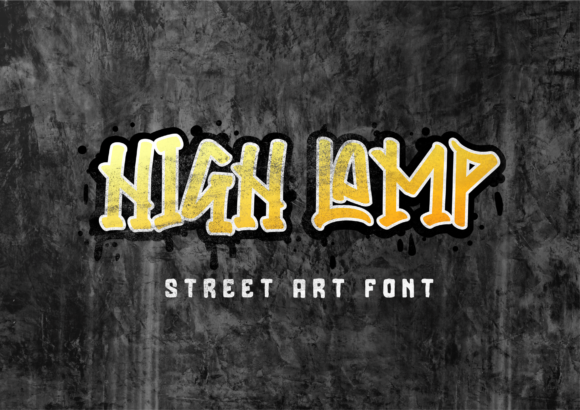
High Lamp is defined by its futuristic, street art vibe. Unlike traditional calligraphy or hand-painted scripts that rely on fluidity, this font leans into sharp angles, heavy weights, and a sense of motion. It mimics the look of neon signs found in cyberpunk cities or spray-painted murals on concrete walls. This makes it ideal for brands targeting youth culture, sports teams, gaming communities, or fashion lines that want to project an edgy, rebellious identity.
The appeal lies in its ability to convey speed and attitude instantly. For entrepreneurs and small business owners, choosing the right typography is often the difference between blending in and standing out. High Lamp provides that immediate recognition. However, its unique style means it is not a "one-size-fits-all" solution. It is a display font, which means its primary purpose is for headlines, logos, and large-scale graphics rather than body text. Confusing these roles is the most frequent error made by beginners.
The Readability Trap
One of the most critical mistakes designers make is attempting to use High Lamp for long paragraphs of text. The stylized nature of the letters, combined with the graffiti aesthetic, creates visual noise that fatigues the eye quickly. If you try to set a paragraph of copy in this font, your audience will struggle to process the information. This directly impacts communication efficiency. In marketing materials, if the user cannot read the message within seconds, they will scroll past.
To avoid this, reserve High Lamp for titles, slogans, and key focal points. Pair it with a clean, neutral sans-serif or serif font for any explanatory text. This contrast ensures that the boldness of the display font enhances the design without overwhelming the content. For example, a clothing brand might use High Lamp for the logo on a t-shirt but switch to a simple Arial or Helvetica for the care instructions and size charts on the back tag.
Pitfalls in Application and Usage
Even when used for headlines, there are subtle ways to misuse High Lamp. The font's intricate details and thick strokes can lead to issues depending on where you apply them. Let's look at some specific scenarios where things can go wrong and how to correct them.
- Scaling Issues: Because High Lamp has a complex structure, shrinking it too much can cause the internal spaces (counters) to close up, making the letters look like blobs. Always test your font at the actual size it will appear in the final product. If you are designing a logo for a small social media avatar, you may need to simplify the kerning or choose a different font entirely.
- Color Contrast: The futuristic vibe often suggests neon colors against dark backgrounds. While this works well for digital screens, printing requires careful consideration. Thin parts of the graffiti letters might disappear if printed in low-contrast colors like light gray on white. Ensure your color palette provides enough separation so the texture of the font remains visible.
- Kerning Neglect: Display fonts with tight spacing can look messy if the automatic kerning settings are left untouched. In High Lamp, the overlapping elements of the graffiti style require manual adjustment to ensure the letters do not collide awkwardly. Take the time to adjust the space between individual characters, especially for short words where spacing errors are more noticeable.
Choosing the Right Medium
Another area where users often stumble is the choice of medium. High Lamp excels in textile printing, such as screen printing on t-shirts or embroidery on sportswear. The bold lines translate well to fabric. However, if you are planning to use this font for a website's navigation menu or a mobile app interface, it may be overkill. User interfaces require clarity above all else. Using a highly stylized font for functional elements can confuse users and degrade the user experience.
For educators and freelancers creating educational materials or portfolios, using High Lamp for section headers can add personality without sacrificing professionalism. The key is moderation. Use it to highlight the most important concepts, but keep the supporting text accessible. This approach demonstrates a thoughtful design strategy that respects the reader's time and cognitive load.
Evaluating Your Options Before You Commit
Before purchasing or downloading High Lamp, take a moment to evaluate your specific needs. Are you sure this font aligns with your brand voice? Does it fit the technical requirements of your project? Here are a few checks to run through your decision-making process.
- Check the License: Fonts come with different licensing terms. Some are free for personal use only, while others require a commercial license for client work. Ensure you have the proper rights before using High Lamp in a paid advertisement or a product for sale. Ignoring this can lead to legal trouble and unexpected costs.
- Test Legibility at Small Sizes: As mentioned earlier, always preview the font at 10pt or smaller. If the details get lost, the font is unsuitable for fine print or dense layouts.
- Consider the Competition: Look at what other brands in your niche are doing. If everyone is using similar graffiti styles, High Lamp might make you blend in rather than stand out. Sometimes, a slight variation or a complementary font pairing is necessary to create a unique identity.
- Verify File Formats: Ensure the font package includes the necessary formats (OTF, TTF, WOFF) for your workflow. If you are working on a web project, you will need web-safe versions or a method to convert the font properly.
Better Approaches for Professional Results
Instead of treating High Lamp as a standalone solution, think of it as part of a broader typographic system. Successful designers often layer fonts to create depth. For instance, combining High Lamp with a geometric sans-serif can bridge the gap between the chaotic street art style and a structured corporate feel. This hybrid approach is particularly effective for startups or tech companies that want to appear innovative yet grounded.
When applying this font to clothing, consider the garment's color. On black fabric, white or bright yellow versions of High Lamp pop beautifully. On lighter fabrics, you might need to use outlines or shadows to maintain visibility. These small adjustments show attention to detail that elevates the perceived quality of your work.
Ultimately, the goal is to communicate effectively. High Lamp is a powerful tool for those who understand its strengths and limitations. By avoiding the common traps of poor readability, incorrect scaling, and licensing oversights, you can leverage its futuristic, street art vibe to create designs that resonate with your audience. Whether you are a hobbyist making custom gear or a marketer launching a new campaign, taking the time to apply these principles will save you from costly mistakes and result in a polished, professional outcome.