Retro Frame: The Urban Brushed Font for Bold Designs
In a digital landscape saturated with sterile, geometric sans-serifs and overly polished vector graphics, there is a distinct hunger for texture. Designers and creators are increasingly seeking typefaces that feel tactile, human, and rooted in the physical world. This is where Retro Frame steps in as a standout solution. It is not merely a font; it is a stylistic statement that captures the gritty, energetic essence of urban culture while maintaining the structural integrity required for professional work.
This brushed display font offers a unique aesthetic that bridges the gap between hand-drawn authenticity and digital precision. Whether you are a streetwear brand looking to define your visual identity or a marketer trying to cut through the noise on social media, Retro Frame provides the visual weight and character needed to make a lasting impression. Its design philosophy is grounded in the idea that great typography should have a soul, and this font delivers exactly that.
Understanding the Aesthetic Appeal
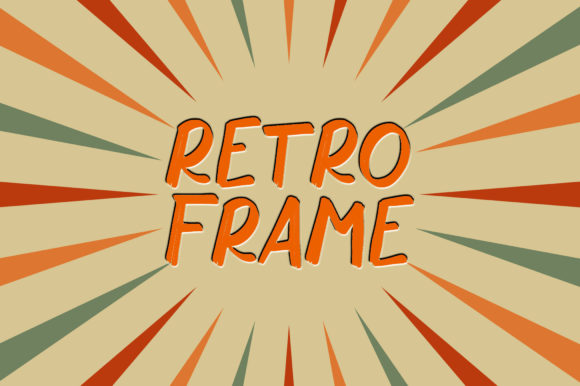
The core strength of Retro Frame lies in its brush-stroke characteristics. Unlike standard serif or slab-serif fonts that rely on rigid lines, Retro Frame mimics the imperfections of a real paintbrush hitting a surface. The strokes vary in thickness, showing the pressure applied during the "painting" process. This creates a dynamic rhythm within the letters themselves, making them feel alive rather than static.
For designers working on projects that require an immediate emotional connection, this texture is invaluable. It evokes nostalgia without feeling dated. The "retro" aspect of the name refers to its vintage roots, reminiscent of 1970s and 80s signage, yet the execution is modern enough to fit seamlessly into contemporary layouts. It avoids the trap of looking like a cheap template by offering a level of detail that commands respect. When you use Retro Frame, you are signaling that your project values craftsmanship and has a story to tell.
Why Texture Matters in Modern Design
In an era where screens dominate our visual consumption, introducing texture through typography is a powerful way to create depth. A flat, uniform font can often get lost against complex backgrounds or fail to grab attention in a crowded feed. Retro Frame cuts through this visual clutter because of its inherent contrast. The thick downstrokes and tapered ends create natural focal points that guide the viewer's eye across the text.
This characteristic makes it particularly effective for headlines and large-scale applications. It allows for a hierarchy of information that feels organic. You do not need to rely solely on size differences to establish importance; the texture itself adds a layer of visual interest that keeps the audience engaged. For educators and bloggers, this means your content will appear more inviting and less intimidating, encouraging readers to dive deeper into the material.
Creative Applications Across Industries
The versatility of Retro Frame extends far beyond simple decoration. Its urban style makes it a prime candidate for various industries, each leveraging its unique properties to achieve specific goals. Understanding how to adapt this font to different contexts is key to unlocking its full potential.
- Apparel and Sportswear: This is perhaps the most natural home for Retro Frame. T-shirts, hoodies, and athletic gear benefit from the bold, expressive nature of the font. It pairs perfectly with graphic illustrations or abstract shapes to create designs that feel authentic to youth culture and fitness communities. The brushed look suggests movement and energy, aligning well with active lifestyles.
- Logos and Branding: For small business owners and entrepreneurs, establishing a memorable logo is crucial. Retro Frame offers a distinctive personality that helps brands stand out in competitive markets. Whether you own a coffee shop with a hipster vibe, a skate shop, or a creative agency, this font can serve as the cornerstone of your visual identity. It conveys confidence and creativity simultaneously.
- Advertisements and Marketing Materials: In print and digital advertising, grabbing attention within seconds is the primary objective. Posters, flyers, and banner ads using Retro Frame immediately draw the eye due to their high contrast and artistic flair. Marketers can use it to highlight special offers, event dates, or call-to-action buttons, ensuring that the message is not just read but felt.
- Clothing and Merchandise: Beyond sportswear, the font works exceptionally well for general merchandise. From tote bags to stickers, the retro aesthetic appeals to a wide demographic of adults aged 20 to 50 who appreciate vintage-inspired design. It allows hobbyists and freelancers to create products that feel curated and thoughtful rather than mass-produced.
Strategic Implementation for Professional Results
While the aesthetic appeal of Retro Frame is undeniable, using it effectively requires a strategic approach. To ensure your designs remain clear, organized, and audience-friendly, consider the following practical guidelines.
Balancing Typography
One common mistake when working with display fonts is overusing them. Because Retro Frame is so visually dominant, it should generally be reserved for headlines, titles, and short phrases. Pairing it with a clean, neutral sans-serif body text is essential for readability. This combination allows the display font to shine as the hero while the supporting text ensures that your message is easily digestible. For example, a blog post might use Retro Frame for the main title and a simple Helvetica or Open Sans for the article body.
Maintaining Consistency
Consistency builds trust. If you choose Retro Frame for your brand's logo, try to incorporate variations of it throughout your marketing materials. However, avoid forcing it into every single element of your design. Use it intentionally to create a cohesive narrative. If your goal is to present a professional image, ensure that the spacing (kerning and tracking) is adjusted carefully. Display fonts often require wider tracking to maintain legibility at smaller sizes or when placed against busy backgrounds.
Adapting for Different Platforms
Different platforms demand different approaches. On mobile devices, where screen space is limited, ensure that the text remains legible even when scaled down. Avoid using the font for long paragraphs. Instead, use it to break up content with pull quotes or section headers. For social media, the textured look translates well to images, but remember that highly detailed textures can sometimes pixelate on low-resolution screens. Always test your designs across various devices before finalizing them.
Inspiration for Project Ideas
To get the most out of Retro Frame, think about the stories you want to tell. Consider creating a series of posters for a local music festival where the font mimics the rough edges of concert flyers. Or, imagine a line of eco-friendly clothing where the brushed style reflects the organic nature of the materials. For educators, you could design lesson plan covers or presentation slides that use the font to highlight key concepts, making learning materials feel more engaging for students.
Freelancers and publishers can also leverage this font to create custom book covers or magazine layouts that stand out on virtual shelves. The key is to let the font's personality guide the concept. Don't just ask, "Does this look cool?" Ask, "Does this communicate the right emotion for my audience?"
Ultimately, Retro Frame is a tool for those who refuse to settle for the ordinary. It invites creators to experiment with texture, history, and urban aesthetics in a way that feels both fresh and timeless. By applying it with thoughtfulness and understanding its strengths, you can produce work that resonates deeply with your audience and elevates your brand above the competition.