White Rainbow: A Bold Retro Display Font for Modern Creators
In a digital landscape saturated with clean, minimalist sans-serifs and uniform geometric typefaces, finding a font that commands attention without sacrificing readability is a genuine challenge. This is where White Rainbow steps in as a definitive solution for designers, marketers, and creators seeking a distinct visual voice. It is not merely a typeface; it is a statement piece that blends the nostalgic charm of retro aesthetics with the bold confidence required for contemporary branding.
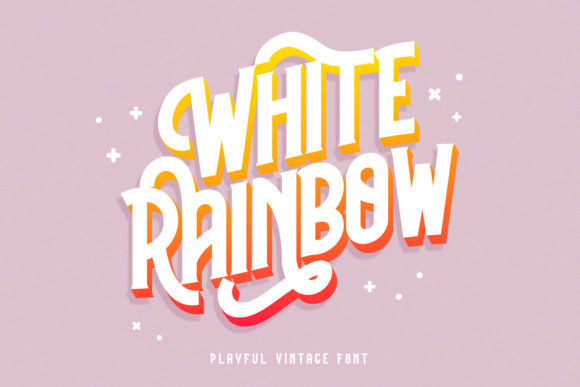
Designed to be cool, bold, and undeniably retro, White Rainbow offers a unique texture that immediately elevates any project. Whether you are crafting a vintage-inspired poster, designing a bold logo for a boutique, or creating eye-catching social media graphics, this font provides the structural backbone needed to make your work stand out. Its character lies in its ability to bridge the gap between past eras and modern design sensibilities, offering a versatile tool for anyone looking to add depth and personality to their visual communications.
The Unique Appeal of PUA Encoding
One of the most significant technical advantages of White Rainbow is its encoding method. Unlike standard fonts that limit access to basic characters, White Rainbow utilizes PUA (Private Use Area) encoding. This technical feature might sound complex, but for the end user, it translates to unparalleled flexibility and ease of use. PUA encoding allows the font to house a vast library of glyphs, swashes, ligatures, and alternate characters that are often hidden or inaccessible in standard OpenType fonts.
When you integrate White Rainbow into your workflow, you gain immediate access to these special characters without needing complex plugin configurations or manual glyph substitution. You can simply select the character from your font menu and apply it instantly. This accessibility encourages experimentation. Designers often hesitate to use decorative elements because they fear breaking the layout or spending hours hunting for specific alternates. With White Rainbow, those barriers disappear. You can access all the swashes and decorative variants with ease, allowing your creativity to flow freely without technical interruptions.
This open access means you can tailor the typography to fit the exact mood of your project. Need a flourish on the letter "R" for a wedding invitation? It is there. Looking for a jagged edge on a headline for a rock concert flyer? The glyphs are ready. The PUA structure ensures that every creative possibility is just a click away, empowering you to customize your text with professional-grade detail.
Creative Applications Across Industries
The versatility of White Rainbow extends far beyond simple headlines. Its bold weight and retro styling make it an ideal candidate for various applications across different industries. For marketers and small business owners, the font serves as a powerful tool for brand differentiation. In a crowded marketplace, using a font that evokes nostalgia while maintaining modern legibility can help establish a memorable brand identity. Imagine a craft coffee shop using White Rainbow for its menu board or a vintage clothing store using it for window signage; the font instantly communicates a curated, authentic vibe.
- Event Branding: Concert posters, festival lineups, and conference materials benefit from the font's high-impact presence. The bold strokes ensure visibility even from a distance, while the swashes add a touch of artistic flair.
- Packaging Design: Product packaging for artisanal goods, cosmetics, or limited-edition releases can leverage the retro aesthetic to suggest quality and heritage. The unique glyphs allow for custom monograms or decorative borders that enhance the unboxing experience.
- Digital Content: Bloggers and content creators can use White Rainbow for featured post titles or pull quotes. It breaks the monotony of body text and draws the reader's eye to key information, increasing engagement rates.
- Educational Materials: Teachers and educators can utilize the font to create engaging worksheets, certificates, or classroom decorations. The playful yet structured nature of the letters makes learning materials feel less rigid and more inviting.
For freelancers and publishers, the font offers a way to produce high-quality assets quickly. Because the swashes and alternates are easily accessible, you do not need to rely on third-party tools to achieve a polished look. This efficiency allows you to focus more on the strategy and less on the technical execution, ensuring that your final output is both original and consistent.
Adapting Style for Different Audiences
While White Rainbow is inherently bold, its application requires thoughtful consideration of your target audience. For a younger demographic, the retro style can be reinterpreted through vibrant color palettes and dynamic layouts to create a sense of energetic fun. Conversely, for a more mature audience, the font can be paired with muted tones and ample white space to convey sophistication and timelessness.
The key to success lies in balance. Using White Rainbow for long paragraphs of body text is generally not recommended due to its display nature. Instead, reserve it for headlines, subheadings, captions, and short phrases. When used correctly, it acts as a visual anchor that guides the viewer through the content hierarchy. To keep results clear and effective, pair White Rainbow with a simple, neutral sans-serif for supporting text. This contrast ensures that the decorative elements of the font remain the focal point without overwhelming the reader.
Consider the context of the platform. On mobile devices, where screen real estate is limited, the boldness of White Rainbow helps capture attention quickly. However, ensure that the font size remains large enough to maintain legibility. For print media, the high contrast of the glyphs works beautifully, provided the printing resolution is sufficient to capture the fine details of the swashes.
Practical Tips for Implementation
To get the most out of White Rainbow, approach it with intentionality. Start by defining the emotional goal of your project. Are you aiming for excitement, nostalgia, or authority? Once the tone is set, explore the full range of glyphs available via the PUA encoding. Don't be afraid to mix and match standard characters with swashes to create custom words or logos. This level of customization is what separates amateur designs from professional-grade work.
- Test Variations: Before finalizing a design, test multiple combinations of standard and alternate characters. See how the swashes interact with the baseline and how they affect the overall rhythm of the text.
- Maintain Consistency: If you choose to use a specific swash style, apply it consistently throughout your project. Inconsistent use of decorative elements can make a design feel chaotic rather than curated.
- Focus on Contrast: Ensure there is sufficient contrast between the font and the background. The bold strokes of White Rainbow demand a clean backdrop to shine effectively.
- Limit Usage: Resist the urge to overuse the font. Let it be the star of the show by limiting its use to key areas. Less is often more when dealing with such a distinctive typeface.
By following these practical guidelines, you can harness the full potential of White Rainbow. It is a font that rewards exploration and experimentation. As you add it confidently to your favorite creations, you will likely find that the outcome generated exceeds your initial expectations. The blend of retro charm and modern utility makes it a timeless addition to any designer's toolkit, capable of transforming ordinary projects into extraordinary visual experiences.
Whether you are launching a new startup, revamping a blog, or simply looking for fresh inspiration, White Rainbow offers a reliable path to creating designs that resonate. Embrace its boldness, explore its extensive glyph library, and let your creativity lead the way. The result is not just a design, but a compelling narrative told through the power of typography.