Rocket Rainbow Font Evaluation
When selecting a typeface for a design project, the choice often dictates the entire visual tone and user experience. Rocket Rainbow is a display font that positions itself within the whimsical and quirky segment of the typography market. It is characterized by its playful aesthetic and colorful potential, designed to add a sense of charm and brightness to various creative endeavors. For designers seeking a font that can inject personality into their work without relying on complex graphic elements, understanding the specific characteristics and applications of Rocket Rainbow is essential.
Understanding the Design Characteristics
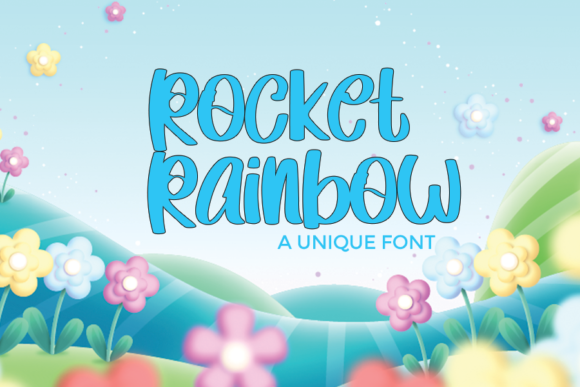
Rocket Rainbow is not a standard sans-serif or serif typeface intended for body text or long-form reading. Instead, it belongs to the category of display fonts, which are optimized for large sizes and short bursts of text such as headlines, logos, and posters. The font's name suggests a vibrant, multicolored identity, though in practice, this is achieved through its unique letterforms rather than inherent color data. The characters feature rounded edges, exaggerated curves, and a slightly irregular structure that gives them a hand-drawn, organic feel.
The "quirky" nature of the font means that it deviates from strict geometric precision. While many modern fonts prioritize uniformity and neutrality, Rocket Rainbow embraces idiosyncrasies in stroke weight and spacing. This approach makes each letter distinct and adds a layer of visual interest that standard fonts lack. However, this deviation also means that the font requires careful handling to ensure legibility remains intact when used at smaller scales or in dense layouts.
Reasons to Consider Rocket Rainbow
Designers often look for Rocket Rainbow when they need to evoke a specific emotional response from their audience. The primary reason to select this typeface is its ability to convey joy, creativity, and informality. If a project aims to appeal to children, celebrate a festival, or promote a creative workshop, the whimsical nature of this font aligns well with those goals. It serves as a visual shorthand for fun and approachability.
- Visual Impact: The unique shapes of the letters catch the eye immediately, making them ideal for attention-grabbing headlines where the goal is to stop a user from scrolling past.
- Brand Personality: For brands that want to distance themselves from corporate sterility, this font offers a way to establish a friendly and human-centric identity.
- Thematic Consistency: In projects involving space themes, toys, or art supplies, the "Rocket" aspect of the name and the fluid lines of the glyphs reinforce the subject matter naturally.
Benefits and Practical Applications
One of the significant benefits of using a specialized display font like Rocket Rainbow is the reduction in the need for additional graphical embellishments. Because the typography itself carries so much character, designers can often achieve a finished look with just the text, saving time on layout and asset creation. When integrated confidently into a project, the font can act as the central focal point, reducing clutter and allowing the message to shine through the design.
This font is particularly effective in digital marketing materials where engagement is key. Social media graphics, email headers, and landing page banners benefit from the bright and inviting appearance of the typeface. In print media, such as event flyers, book covers for fiction, or packaging for confectionery items, the font provides a tactile quality that translates well onto paper. The "charming" aspect of the design ensures that it does not appear aggressive or overly commercial, making it suitable for community-focused initiatives.
Tradeoffs and Limitations
Despite its strengths, Rocket Rainbow is not a universal solution. The most significant tradeoff is legibility. Due to the stylized nature of the characters, the font is difficult to read at small sizes or when used in paragraphs. Attempting to use it for body copy will likely result in reader fatigue and confusion. Designers must exercise restraint, limiting its use to short phrases or titles.
Another consideration is the potential for the font to become dated quickly if overused. Whimsical and quirky fonts can sometimes feel trendy one year and cliché the next. There is also the risk of appearing unprofessional in contexts that demand seriousness, such as financial reports, legal documents, or medical information. In these scenarios, the playful nature of Rocket Rainbow would undermine the credibility of the content.
Additionally, because the font relies heavily on its unique shape, it may not pair easily with all other typefaces. Finding a complementary secondary font that balances the whimsy of Rocket Rainbow without competing with it requires a keen eye. A mismatched pairing can make a design look disjointed rather than cohesive.
Situations Where Alternatives May Be Worth Considering
If the goal is to maintain a modern, minimalist aesthetic, alternatives to Rocket Rainbow might be more appropriate. Fonts with cleaner lines and more traditional structures, such as geometric sans-serifs, offer better readability and a timeless quality. For projects requiring high levels of accessibility, where clear distinction between characters is paramount, a neutral display font would be a safer choice.
Furthermore, if the design needs to support multiple languages or extensive character sets, the availability of Rocket Rainbow in different weights and styles should be verified. Some whimsical fonts have limited glyph coverage, which can restrict their utility in global projects. In cases where the brand identity is established around stability and trust, a more conservative typeface would align better with the company's values than a quirky option.
Decision-Making Insights for Designers
To determine whether Rocket Rainbow aligns with your specific goals, consider the hierarchy of your content. Ask yourself: Is the primary goal to inform or to entertain? If the answer leans toward entertainment, celebration, or creative expression, this font is a strong candidate. However, if the primary function of the design is to deliver complex information efficiently, you should look elsewhere.
It is also crucial to test the font in context before committing to it. Place the typeface alongside your intended imagery and background colors to see how it interacts with the rest of the composition. Does it enhance the message, or does it distract from it? Sometimes, a font that looks great in isolation can clash with the overall visual language of a project.
Ultimately, the decision to use Rocket Rainbow should be driven by the specific needs of the audience and the constraints of the medium. When used correctly, it is a powerful tool that can transform a standard design into something memorable and engaging. By weighing its playful benefits against its limitations regarding legibility and formality, designers can make an informed choice that enhances their work rather than compromising it.