Unlocking Whimsy: The Strategic Power of Arkana in Modern Design
In a digital landscape saturated with sterile, uniform typography, the quest for visual distinctiveness often leads designers toward unique solutions. Among these is Arkana, a typeface that defies conventional seriousness to offer something far more engaging. It is not merely a font; it is a stylistic statement designed to inject personality into projects that demand attention. Whether you are a graphic designer seeking a signature look, an educator creating materials for young learners, or a business owner aiming to humanize your brand, understanding the nuances of this display typeface is essential.
The design world operates on the principle that form follows function, but sometimes, the most effective function is emotional connection. This is where Arkana excels. Its structure is built around a sense of playfulness and charm, making it an ideal candidate for applications where standard sans-serifs or serifs might feel too rigid. By exploring its characteristics, we can uncover how this whimsical tool transforms static content into dynamic experiences.
The Anatomy of Playfulness
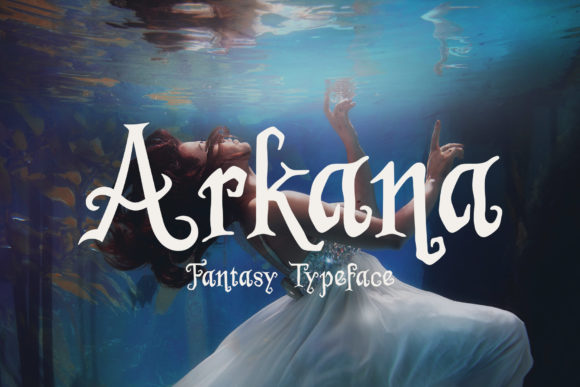
To appreciate the utility of Arkana, one must first understand its visual DNA. Unlike traditional fonts that prioritize neutrality, this typeface embraces irregularity and character. The letterforms often feature rounded edges, varying stroke weights, and a hand-drawn quality that suggests movement and life. These attributes make it inherently "cool," as it avoids the cold perfection of vector-based geometric fonts.
When analyzing the glyph set, the designer will notice that the spacing and kerning are calibrated to create a sense of rhythm. This rhythm is crucial for display text, which is meant to be read at a glance rather than scanned line by line. The whimsical nature of the characters invites the eye to wander, encouraging engagement with the headline or title. For instance, in a children's game interface, the slight quirks in the letter shapes can mimic the unpredictability of play itself, creating an immediate subconscious link between the text and the activity.
Furthermore, the versatility of Arkana lies in its ability to balance fun with readability. While some decorative fonts sacrifice legibility for style, this typeface maintains a clear structure that ensures the message is not lost in the aesthetic. This balance is what separates a gimmick from a professional design choice. It allows creators to maintain a high standard of communication while adhering to a specific thematic tone.
Visual Characteristics That Drive Engagement
The effectiveness of any display font is measured by its impact on user behavior. In web design and print media, the initial impression is formed within milliseconds. Arkana leverages this window by offering a distinctive silhouette that stands out against a backdrop of corporate blue and grey typefaces. The "lovely touch" mentioned in its description is not just subjective; it is a functional attribute that reduces cognitive load when processing emotional or creative content.
- Rounded Geometry: Softens the overall appearance, making the content feel approachable and safe.
- Varying Weights: Adds depth and hierarchy without requiring additional layout elements.
- Organic Flow: Mimics natural handwriting, fostering a personal connection with the reader.
These characteristics make it particularly suitable for branding campaigns that wish to distance themselves from the cutthroat, impersonal nature of traditional advertising. When a logo or a tagline utilizes Arkana, it signals to the consumer that the brand is confident enough to be different, yet grounded enough to remain readable.
Practical Applications Across Industries
The adaptability of this whimsical typeface extends far beyond simple novelty. Professionals across various sectors have found innovative ways to integrate Arkana into their workflows to achieve specific communicative goals. Understanding these use cases helps demystify why a font described as "cool" is actually a strategic asset.
In the realm of education, the stakes are high for capturing student attention. Traditional textbooks often fail to engage modern learners who are accustomed to interactive media. By incorporating Arkana into educational worksheets, storybooks, or classroom signage, educators can transform learning materials into inviting adventures. The playful nature of the font reduces the intimidation factor associated with difficult subjects, making the process of learning feel like exploration rather than obligation.
Similarly, the gaming industry has long relied on custom typography to establish world-building. Whether designing a mobile puzzle game or a cartoon-themed adventure, the font serves as a bridge between the visual art and the narrative. A menu screen featuring Arkana immediately sets the tone for the experience, preparing the user for a lighthearted journey. The font's ability to convey a "cartoon related" vibe makes it a staple for developers looking to create immersive, family-friendly environments.
- Marketing and Branding: Used for event posters, product packaging, and social media graphics to evoke joy and curiosity.
- Digital Interfaces: Ideal for headers and call-to-action buttons in apps targeting younger demographics or lifestyle niches.
- Publishing: Enhances the visual appeal of children's literature, comic strips, and creative magazines.
- Event Design: Creates a festive atmosphere for invitations, banners, and stage backdrops.
Even in professional contexts, there is a place for this typeface. Business owners looking to launch a startup in the creative sector, such as a design studio or a boutique agency, might use Arkana in their internal communications or client presentations to demonstrate innovation. It shows that the company values creativity and is willing to take calculated risks to stand out.
Case Studies in Creative Implementation
Consider the scenario of a local bakery launching a new line of artisanal cookies. A standard, clean font might communicate quality, but it fails to communicate flavor and fun. By using Arkana on the packaging and the storefront sign, the bakery instantly communicates that their products are delightful and made with care. The font acts as a visual metaphor for the sweetness and texture of the goods inside.
Another example involves a non-profit organization focused on literacy. To encourage reading among children, they redesigned their campaign materials using Arkana. The result was a noticeable increase in engagement, as the materials felt less like a lecture and more like an invitation. The "lovely touch" of the font helped humanize the cause, making donors and volunteers feel more connected to the mission.
Strategic Considerations for Designers
While the advantages of Arkana are clear, responsible design requires a nuanced approach. Not every project benefits from a whimsical display font. Overuse or inappropriate application can lead to visual clutter and a loss of credibility. Therefore, understanding the boundaries of its usage is critical for maintaining professional standards.
The primary consideration is context. If the goal is to convey authority, stability, or urgency, this font may undermine the message. Legal documents, financial reports, and emergency alerts require clarity and gravity, which are best served by neutral, highly legible typefaces. Arkana should be reserved for moments where emotion and personality are the primary drivers of communication.
Another key factor is contrast. Because Arkana is visually busy, it pairs best with simple, understated body text. Using it for long paragraphs would overwhelm the reader and reduce comprehension. The optimal workflow involves using the font for headlines, pull quotes, and key highlights, while relying on a robust sans-serif or serif for the main body copy. This hierarchy ensures that the whimsical element enhances the design without dominating it.
Accessibility is also a vital component of modern web design. Designers must ensure that the stylized letters remain distinguishable, especially for users with visual impairments or dyslexia. Testing Arkana at various sizes and on different backgrounds is necessary to confirm that the "cool" factor does not compromise usability. High contrast ratios and sufficient font size are non-negotiable requirements when integrating this typeface into public-facing digital platforms.
Balancing Style and Substance
The true mastery of using Arkana lies in the balance between artistic expression and functional communication. It is not about forcing the font into every corner of a project, but rather deploying it strategically to amplify the core message. When used correctly, it becomes an invisible force that guides the user's emotional response.
For researchers studying visual perception, the impact of such fonts offers valuable insights. They demonstrate how typography can influence mood and behavior, proving that even small details like letter shape can have a significant psychological effect. This aligns with the broader trend of "emotional design," where interfaces are crafted to evoke specific feelings and foster deeper connections.
The Future of Whimsical Typography
As the digital ecosystem evolves, the demand for personalized and expressive typography continues to grow. Users are increasingly tired of the homogenized look of the internet, characterized by ubiquitous system fonts and generic templates. There is a hunger for designs that feel human, imperfect, and authentic. Arkana sits at the forefront of this movement, offering a solution that satisfies the desire for uniqueness without sacrificing professionalism.
Trends in web development and app design suggest a shift towards more playful interactions. Micro-animations, colorful gradients, and expressive illustrations are becoming standard. In this environment, Arkana provides the perfect typographic foundation. It complements these trends by adding a layer of personality that ties the visual elements together cohesively.
For hobbyists and independent creators, this font represents an accessible way to elevate their work. Without the need for complex graphic design software or extensive training, simply changing the header font can transform a basic blog post or a DIY project page into something memorable. It democratizes good design, allowing anyone with a vision to execute it with style.
Conclusion: Embracing the Art of Expression
The journey through the capabilities of Arkana reveals that typography is far more than a vehicle for text; it is a powerful tool for storytelling. Its cool, whimsical nature makes it an amazing choice for a wide array of creations, from children's games to professional branding initiatives. By understanding its strengths and limitations, creators can harness its potential to build bridges between ideas and audiences.
Whether you are an educator crafting the next generation of readers, a developer building an engaging game, or a business owner seeking to differentiate your brand, Arkana offers a versatile palette of expression. It reminds us that in a world of data and information, the human touch remains the most valuable asset. As we move forward, let us embrace fonts that inspire, delight, and connect, ensuring that our digital spaces remain vibrant and alive.