Integrating Scarecrow: A Practical Guide to Using Rough Textured Brushed Fonts in Professional Workflows
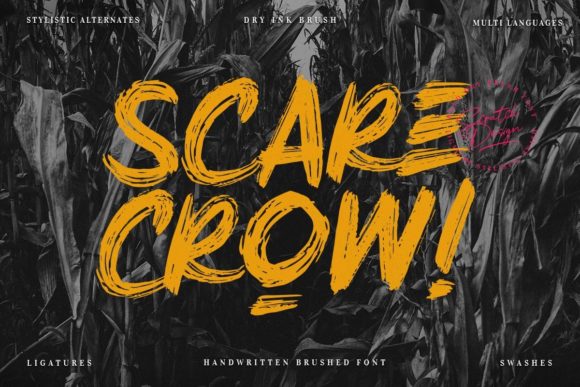
In the fast-paced world of digital content creation, typography is rarely just about legibility. It is a strategic tool that dictates tone, establishes hierarchy, and guides the user's emotional response before they even read a single word. For professionals, creators, and entrepreneurs looking to add character to their visual assets without sacrificing clarity, Scarecrow emerges as a versatile addition to any font library. This cool, rough textured, brushed display font offers a unique aesthetic that bridges the gap between rugged authenticity and modern design.
Unlike standard sans-serif or serif typefaces designed for body copy, Scarecrow is engineered for impact. Its textured finish mimics the look of hand-painted strokes or weathered signage, providing an immediate sense of history and grit. When integrated correctly into a workflow, this font transforms flat designs into dynamic experiences. Whether you are launching a new product, designing a marketing campaign, or creating educational materials, understanding where Scarecrow fits can significantly enhance the quality and reception of your final output.
Defining the Role of Scarecrow in Visual Strategy
To use Scarecrow effectively, one must first understand its specific niche within the broader typographic landscape. It is not a utility font meant for long-form reading; rather, it is a display typeface intended to grab attention. The "cool" factor mentioned in its description refers to its understated confidence. It does not scream for attention with neon colors or exaggerated shapes; instead, it commands respect through texture and form.
The rough texture is the defining characteristic. In a digital environment dominated by clean, vector-perfect lines, Scarecrow introduces an organic element. This makes it particularly effective for projects that require a human touch or a connection to physical craftsmanship. For small business owners and freelancers, using this font can signal authenticity. It suggests that the brand behind the message values substance over polish, which resonates deeply with audiences aged 20 to 50 who are increasingly skeptical of overly corporate aesthetics.
When planning a project, consider Scarecrow as the anchor for your primary headlines. It sets the stage for the rest of the design. If the goal is to create a cohesive narrative, Scarecrow provides the initial hook. Its brushed appearance implies movement and effort, qualities that are often associated with hard work, innovation, and resilience. By placing this font at the forefront of a layout, designers can immediately communicate these values to the viewer.
Pre-Project Planning and Asset Selection
Integration begins before the first pixel is placed. During the preparation phase of any creative process, selecting the right tools is crucial for efficiency. Scarecrow should be evaluated against the project's core objectives. Ask yourself: Does this project need to feel established and gritty? Is the target audience responding better to raw, unpolished visuals than to sleek minimalism?
If the answer is yes, adding Scarecrow to your asset library is a strategic move. However, compatibility is key. Because Scarecrow has a heavy texture, it requires careful consideration when paired with other fonts. A common mistake in the planning stage is overloading a design with competing textures. To maintain consistency and readability, pair Scarecrow with simple, neutral typefaces for body text. Clean geometric sans-serifs or classic serifs allow the brushed details of Scarecrow to shine without causing visual clutter.
Organizing your font files is also part of the preparation. Ensure that Scarecrow is categorized under "Display" or "Headline" within your system. This prevents accidental misuse in paragraphs or footnotes where its texture might reduce legibility. Proper organization ensures that when you are deep in the execution phase, you can access the correct tool quickly, maintaining your workflow speed and focus.
Execution: Applying Scarecrow in Active Workflows
Once the planning phase is complete, the execution stage is where Scarecrow truly proves its worth. This font excels in scenarios where visual distinction is required to break up monotony. In marketing campaigns, for instance, email headers or social media graphics benefit immensely from the contrast Scarecrow provides.
Consider a scenario where a marketer is launching a limited-time offer. The urgency needs to be felt, not just stated. Using Scarecrow for the main headline creates a sense of immediacy and importance. The rough edges suggest that the opportunity is tangible and perhaps fleeting, much like a piece of weathered wood. This psychological association can drive higher engagement rates compared to a standard bold font.
In the realm of education and publishing, Scarecrow serves a different but equally important function. Educators creating course materials or bloggers writing about hands-on topics (like woodworking, gardening, or DIY projects) can use this font to reinforce the subject matter. When a reader sees a title set in Scarecrow on a page about building a deck, the font itself contributes to the instructional atmosphere. It acts as a subtle cue that the content involves practical skills and real-world application.
For entrepreneurs and publishers, consistency is paramount. If Scarecrow is chosen for a logo or a primary brand element, it must be applied consistently across all touchpoints. This includes business cards, website banners, and presentation decks. The brushed texture must remain uniform in weight and style to avoid diluting the brand identity. Deviating from the intended usage—such as shrinking the font too small—can cause the texture to blur, turning a distinct feature into unreadable noise.
Navigating Technical Constraints and Quality Control
Implementing Scarecrow in a professional setting requires attention to technical details. The texture of the font can sometimes cause issues with screen rendering, especially on lower-resolution displays. To ensure high-quality output, always test your designs at the actual sizes they will appear. What looks impressive on a large monitor might lose its definition on a mobile device.
Export settings are another critical factor. When preparing files for web use, ensure that the anti-aliasing is optimized. This helps preserve the crispness of the brushed edges while preventing jagged artifacts. For print workflows, verify that the resolution is sufficient to capture the fine details of the texture. High-quality printing enhances the tactile illusion of the font, making the rough texture feel almost physical to the viewer.
Furthermore, consider accessibility. While Scarecrow is excellent for headlines, it should never replace accessible, high-contrast fonts for essential information. Use it to enhance the experience, not to obscure it. Screen readers may struggle with decorative elements if they are not properly coded, so ensure that your HTML structure separates the decorative font from the semantic content. This balance between aesthetics and usability is the hallmark of a well-executed design workflow.
Long-Term Integration and Strategic Value
The value of Scarecrow extends beyond a single project. As a permanent asset in your font library, it offers long-term versatility. Over time, you will find that certain themes or industries naturally align with its aesthetic. Building a portfolio that utilizes Scarecrow strategically can help you carve out a specific niche in the market.
For example, a freelancer specializing in branding for craft breweries, outdoor gear companies, or artisanal food producers will find Scarecrow indispensable. These sectors thrive on stories of tradition and craftsmanship. Having this font readily available allows for rapid prototyping and faster turnaround times. Instead of searching for stock images to convey "roughness," you can simply apply Scarecrow and achieve the desired effect instantly.
This efficiency translates directly into productivity. By reducing the time spent searching for the right visual element, you free up mental energy for strategy and refinement. The font becomes a reliable partner in your creative process, much like a trusted tool in a workshop. It simplifies decision-making because its role is clearly defined: it is the voice of authority and character.
Moreover, Scarecrow encourages experimentation. Its unique texture invites designers to push boundaries. You might try overlaying it with transparent gradients, combining it with photographic textures, or using it in unconventional layouts. These experiments can lead to breakthrough ideas that differentiate your work from competitors. The potential to enhance any creation lies in its adaptability; it is robust enough to handle bold statements yet nuanced enough to fit into sophisticated compositions.
Maximizing Impact Through Contextual Awareness
Ultimately, the success of using Scarecrow depends on contextual awareness. It is not a solution for every problem, but when the problem requires a specific kind of attitude, it is the perfect solution. Understand the mood you wish to evoke. If the goal is warmth, nostalgia, or strength, Scarecrow delivers. If the goal is sterility, futurism, or clinical precision, it is likely the wrong choice.
By treating Scarecrow as a deliberate component of your design language rather than a decorative afterthought, you elevate the overall quality of your work. It interacts with color, imagery, and layout to create a unified message. When used with intention, it transforms ordinary presentations into compelling narratives. For the modern creator, having a font like Scarecrow in one's toolkit is not just about having a cool-looking typeface; it is about having a powerful instrument for communication.
In conclusion, integrating Scarecrow into your workflow requires a thoughtful approach to planning, execution, and quality control. It demands that you understand its strengths and limitations, ensuring it serves the project's goals rather than distracting from them. When aligned with a clear strategy, this cool, rough textured, brushed display font becomes a wonderful asset to your font library, capable of enhancing any creation with depth, character, and lasting appeal.